





In the mist-shrouded hills of Mayali in Rudraprayag district, the air carries the scent of pine and possibility. For farmer Sarita Devi, the soil beneath her feet once told a very different story. Fields that had fed families for generations were slowly turning hard and unresponsive, their fertility eroded by years of chemical inputs.
Sarita experienced this unfortunate shift firsthand. “For two years, we used chemical fertilizers because everyone said they were necessary,” she says. “But the crops dried up soon after harvest. The vegetables didn’t taste fresh and they would rot quickly.”
Across the hills of Mayali, many farmers had begun depending heavily on chemical fertilizers and pesticides. What once seemed like a quick path to higher yields slowly created new problems. Soil fertility was on the decline, costs of fertilizers rose, and the thin mountain soils began losing their ability to retain water. Farming became increasingly unpredictable and stressful.
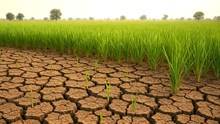
The repeated use of synthetic inputs had begun disrupting the soil’s natural biology. The soil that was believed to be alive, was turning hard and dry. Productivity was no longer improving, while expenses continued to rise.
The turning point came in 2022 when Sarita met her mentor Suresh Thapliyal, Art of Living’s natural farming trainer who introduced her to holistic training in natural farming along with spiritual practices like meditation and specific breathing techniques like Sudarshan Kriya, cognized by Gurudev Sri Sri Ravi Shankar, founder of The Art of Living, to heal the land as well as the mind and body. At the end of the training, farmers often report feeling mentally calmer and stronger within, while also learning practical natural farming techniques to revive soil health. The training encourages farmers to rebuild soil using resources available in their own homes rather than relying on external chemical inputs.
Before the soil began to heal, Sarita says she first felt a change within herself. After learning breathing practices during the training, she noticed that her frequent headaches reduced and her mind felt calmer.
She then travelled to Haldwani for advanced training in natural farming methods. There she learned how to prepare biological inputs using cow dung, fallen leaves and earthworms - simple materials that restore soil microbes and structure.
Instead of feeding chemicals to the crops, the focus shifted to reviving the soil itself.
Natural farming gradually improves soil porosity, allowing rainwater to seep deeper into the ground, an important benefit in fragile hill agriculture where water retention is often poor.
When Sarita applied these methods to her potato crop, the results surprised even her.
Her once patchy field turned lush and green. That season she harvested nearly 30 percent more yield, selling three quintals of potatoes and earning around Rs 13,000 in profit.
But the more meaningful change appeared in the village kitchens.
Traditional grains like mandwa (koda), once the staple food of the hills, had slowly disappeared from daily diets as chemical crops replaced them. With natural farming, these traditional crops began returning to fields - and to plates.
“One participant told me that using koda flour helped control her father-in-law’s diabetes,” Sarita shares.
Farming in the hills, however, comes with its own battles. Monkeys and wild boars often raid fields overnight. Sarita learned simple protective techniques such as installing nets around crops.
Yet she has also developed a lighter outlook.
“How much will a monkey eat?” she says with a smile. “If it takes a little, it is only a small share. What matters is that the food left for our families is healthy and chemical-free.”
The transformation soon became visible beyond her own farm.
Sarita points to a neighbour’s field that had remained barren for years. Today, the soil there is dark, soft, and alive again. Black lentils push through the earth, and earthworms quietly work beneath the surface - natural tillers restoring fertility.
“What we are seeing is like the land waking up again,” she says.

Her work is now part of a wider shift among farmers in the region who are experimenting with natural farming to reduce input costs and rebuild soil health. In fragile mountain ecosystems, such changes can improve water conservation, restore ecological balance, and make farming more resilient to climate uncertainty.
Sarita is no longer just a homemaker or teacher. She has become a quiet custodian of the land- saving seeds, restoring soil and passing values to the next generation.
In the hills of Mayali, where fields once cracked under chemical strain, green shoots are returning.